Endometriosis foods to avoid: what the evidence really says
“What should I avoid?” is one of the most common questions after a diagnosis. First of all: no food causes endometriosis, and no single food by itself makes the disease worse in a definite way. Here is what is known, and what is only popular advice.
What the guidelines say
The ESHRE guideline (2022) makes no recommendation for specific diets or nutritional interventions to treat endometriosis symptoms and only advises guidance on a healthy lifestyle and diet. WHO says the causes of endometriosis are unknown. There is no official list of foods to ban.
What eating plans often reduce
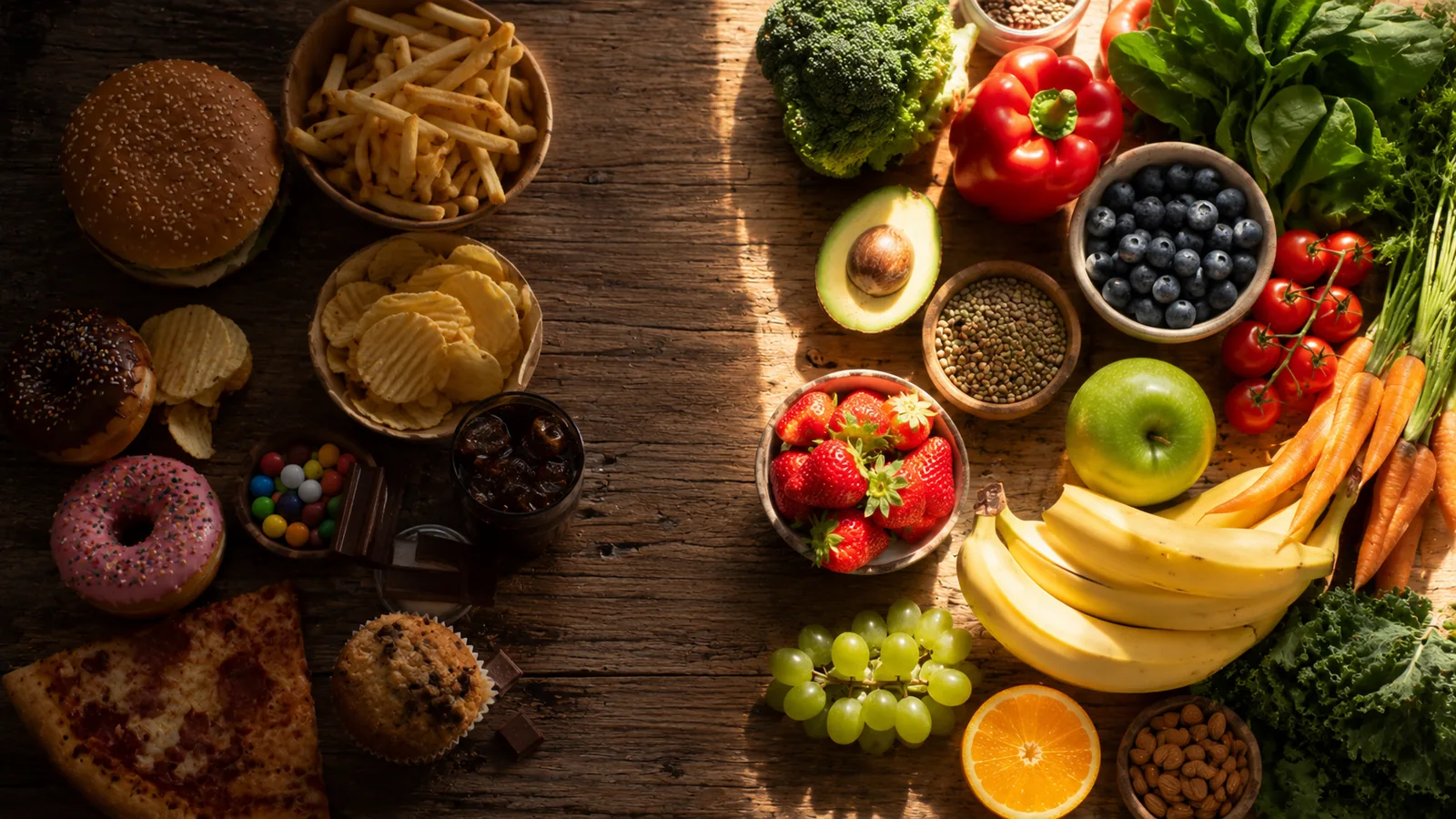
Many popular anti-inflammatory plans suggest eating less of the following. This is common advice for general health and not an endometriosis treatment:
- Ultra-processed foods: products with long ingredient lists, additives and low-quality fats.
- Lots of added sugar: sweets and sugary drinks in large amounts.
- Repeated fried food: and foods high in trans fats.
- Heavy alcohol and caffeine: in some people, excess can make discomfort feel worse. The focus is moderation, not prohibition.
No guilt: food is not “good” or “bad” in a moral sense. The aim is balance most of the time, not perfection. Strict diets are often unsustainable and can damage your relationship with food.
What about gluten and dairy?
Many people ask about them. The sources consulted do not recommend cutting gluten or dairy for endometriosis. Experiences are individual: some report improvement, others notice no difference. If you want to test, do it in an organized way and, ideally, with a dietitian, so you do not cut important nutrients without need.
Think about what to add
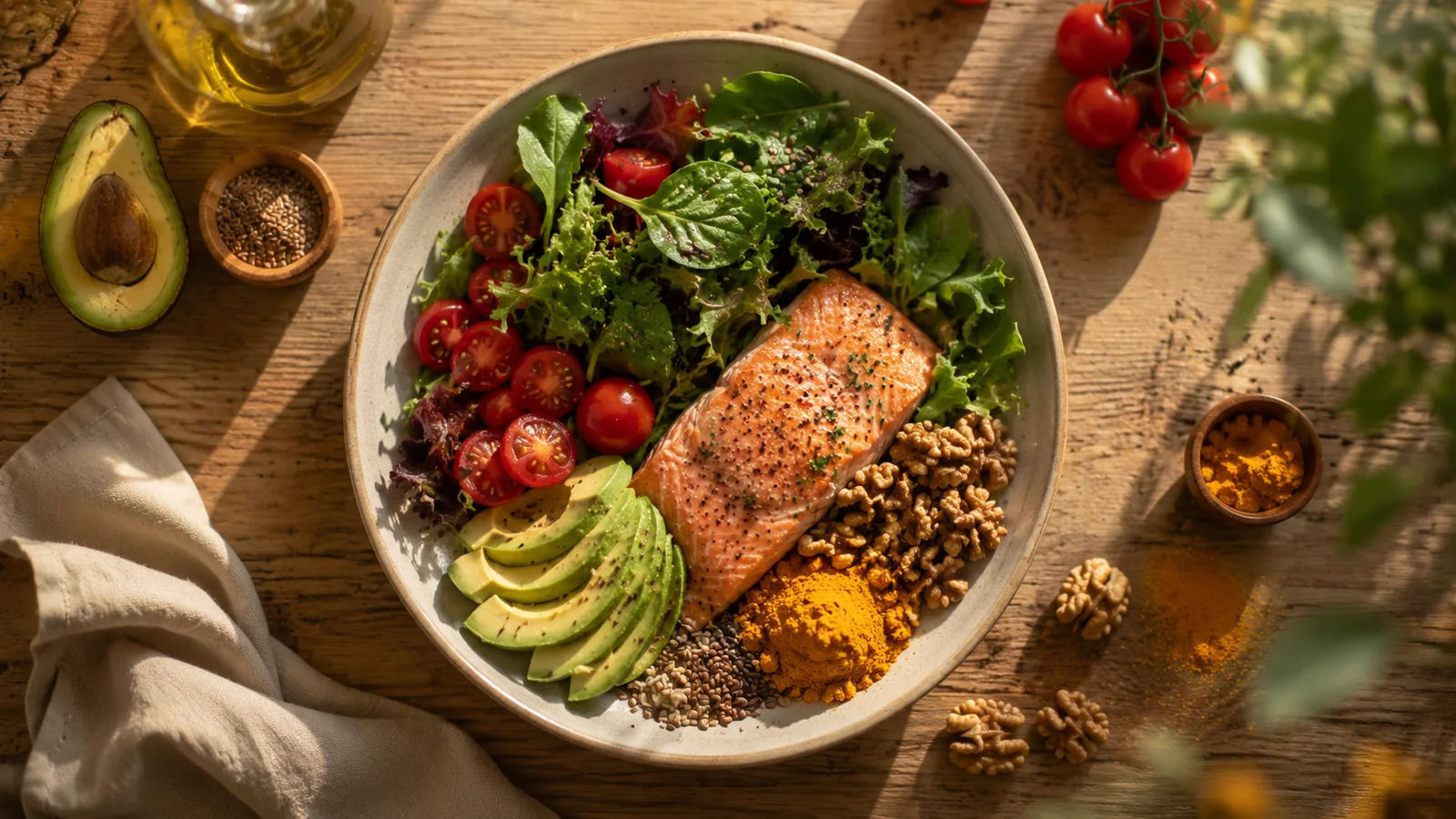
Instead of focusing on what to remove, think about what to add. Filling your plate with vegetables, fiber and good fats leaves less room for ultra-processed foods, without a feeling of deprivation. See the anti-inflammatory diet and endometriosis.
When diet is not the answer
If you have persistent bloating, bowel changes or pain, a medical assessment is more useful than a longer list of banned foods. See endo belly and bowel endometriosis. If you have a history of disordered eating, talk to a professional before any restriction.
Food is support for general well-being and never replaces medical treatment.
This article is general information and does not replace a medical assessment.
Read next: Endometriosis anti-inflammatory diet: what the evidence says · Endo belly: why endometriosis can cause severe bloating
What the evidence says
The ESHRE guideline (2022) makes no recommendation for specific diets or nutritional interventions to treat endometriosis symptoms. Eating a balanced diet is part of general health care, but it does not replace the treatment your doctor recommends. Before cutting out foods or starting supplements, talk to your doctor or a dietitian.
References and sources
Sources from health institutions on this topic, checked on November 1, 2026. This text is informational and does not replace a medical visit, diagnosis or treatment.
- ESHRE (European Society of Human Reproduction and Embryology): ESHRE guideline: endometriosis (Becker CM et al., Human Reproduction Open 2022; hoac009) (2022)
Frequently asked questions
Do I have to cut these foods out completely?
Not necessarily. For most people, eating them less often is enough, and total restriction without guidance can lead to frustration and is not required. The ESHRE guideline makes no recommendation for specific diets.
Do gluten and dairy make endometriosis worse?
The sources consulted do not recommend cutting gluten or dairy for endometriosis. Some people report feeling better and others notice no difference. If you want to test it, do so with a dietitian so you do not lose important nutrients.
Does sugar cause endometriosis?
No. The sources consulted say the cause of endometriosis is not known and do not name sugar. Eating a lot of sugar and ultra-processed food is generally not good for health, but that is different from causing the condition.
Is there an official list of forbidden foods?
No. The 2022 ESHRE guideline makes no recommendation for specific diets or nutritional interventions to treat endometriosis symptoms.